

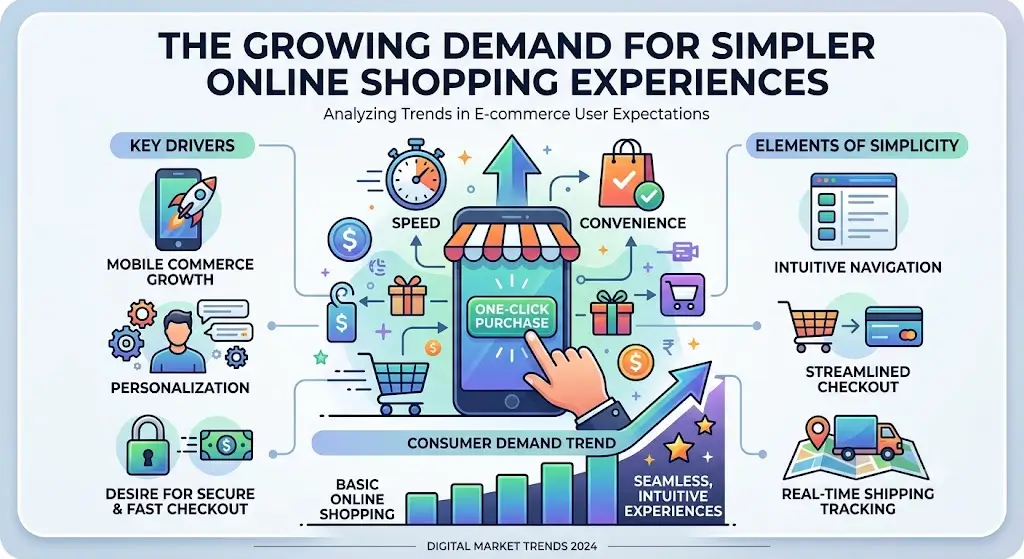
Online shopping has transformed the way people buy products, offering convenience, variety, and access to thousands of options at the touch of a button. However, as digital marketplaces continue to expand, many consumers are beginning to feel overwhelmed by the sheer number of choices available. The fun part is that shoppers can explore products from across the country without leaving their homes. The serious side is that too many options can create confusion and make decision-making more difficult.
In recent years, consumer expectations have shifted significantly. People no longer want to spend hours scrolling through endless product listings, comparing dozens of brands, or reading hundreds of reviews. Instead, they are looking for faster, simpler, and more intuitive shopping experiences. The fun part is that shopping becomes more enjoyable when the process feels effortless. The serious part is that reducing complexity helps consumers make better purchasing decisions with greater confidence.
One of the biggest reasons for this growing demand is decision fatigue. When consumers are presented with too many choices, they often struggle to determine which product best meets their needs. This can lead to frustration, delayed purchases, or even abandoning the shopping process altogether. The fun part is that finding the right product should feel exciting rather than exhausting. The serious part is that simplifying choices improves customer satisfaction and reduces stress.
This is where a well-designed product comparison guide becomes extremely valuable. Instead of forcing consumers to research dozens of products individually, comparison tools organize key information into an easy-to-understand format. The fun part is that shoppers can quickly identify products that match their preferences. The serious part is that structured comparisons save time and support smarter buying decisions.
Today, more consumers prefer to compare products online because it allows them to access important information instantly. Features, prices, ratings, and customer feedback can all be viewed in one place, making the shopping journey more efficient. The fun part is that technology puts a wealth of information directly in the hands of consumers. The serious part is that transparency helps buyers avoid poor-quality products and unnecessary spending.
As shopping platforms evolve, businesses are increasingly investing in intelligent search systems, personalized recommendations, and simplified navigation. These tools help consumers discover relevant products without feeling overwhelmed by unnecessary information. The fun part is that shopping starts to feel like having a personal assistant guiding the journey. The serious part is that personalized experiences reduce mental effort and improve purchasing confidence.
For consumers in Tier 2 and Tier 3 cities, simpler shopping experiences are especially important. Many first-time online shoppers want clear information, easy navigation, and trustworthy recommendations. The fun part is that digital platforms are becoming more user-friendly for people of all backgrounds. The serious part is that accessibility encourages broader participation in the digital economy.
Consumer behavior is also showing a growing preference for quality information over quantity. Shoppers want concise details, genuine reviews, and meaningful recommendations instead of being flooded with marketing messages. The fun part is that finding useful information becomes faster and more rewarding. The serious part is that clarity helps consumers focus on value rather than distractions.
As retailers compete to improve customer experiences, simplicity is becoming a major advantage. Companies that make product discovery easier and decision-making smoother are earning greater trust and loyalty from consumers. The fun part is that shopping becomes less stressful and more enjoyable. The serious part is that customer-centered design is shaping the future of online commerce.
In conclusion, the growing demand for simpler online shopping experiences reflects a broader shift toward convenience, clarity, and confidence. By offering tools such as a product comparison guide and making it easier to compare products online, businesses can help consumers navigate the digital marketplace more effectively. The fun reality is that shopping becomes faster and more enjoyable. The serious reality is that simplicity empowers consumers to make informed decisions and achieve better outcomes with every purchase.