

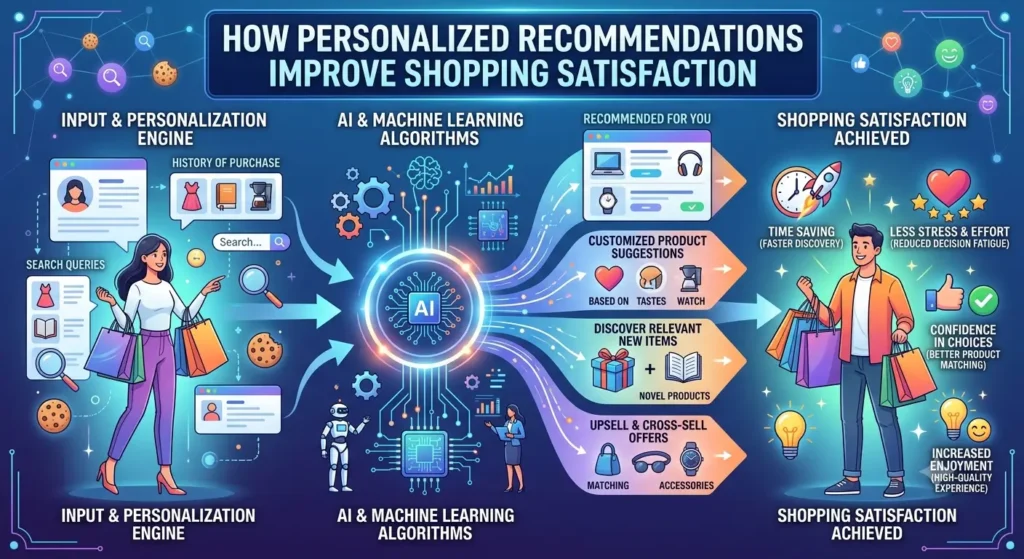
In today’s digital world, shopping is no longer just about buying products; it is about finding items that truly match individual needs and preferences. A personalized shopping experience has transformed the way people discover and purchase products online. Whether someone is searching for a new smartphone, a kitchen appliance, or even a gift for a loved one, personalized recommendations help make the journey easier and more enjoyable. It feels fun when a shopping platform seems to understand exactly what you are looking for. At the same time, it serves a serious purpose by reducing confusion and saving valuable time.
Many shoppers, especially from Tier 2 and Tier 3 cities, are now exploring online marketplaces regularly. They often face thousands of product options, making it difficult to choose the right one. Personalized recommendations analyze browsing behavior, purchase history, and preferences to suggest products that are more relevant. It is exciting to see useful products appear without spending hours searching through endless pages. On a serious note, this reduces decision fatigue and helps shoppers make more confident buying choices.
The personalized shopping experience also builds trust between brands and customers. When recommendations are accurate, customers feel that the platform understands their needs and values their time. It is enjoyable when a shopper discovers a product that perfectly fits their lifestyle or budget. More importantly, this relevance increases customer satisfaction and encourages long-term loyalty toward the brand. Businesses benefit because satisfied customers are more likely to return for future purchases.
Another advantage is that personalized recommendations can help shoppers discover products they may never have found otherwise. A customer searching for fitness equipment might also receive suggestions for health-monitoring gadgets or workout accessories. This creates a sense of excitement and exploration during the shopping process. From a serious perspective, it helps consumers make informed decisions by presenting complementary products that add genuine value to their lives. The result is a smoother and more rewarding shopping journey.
Personalization also supports better budgeting and smarter purchasing habits. By recommending products that match a shopper’s spending patterns, brands can show options that fit different financial situations. It feels satisfying when recommended items are affordable and relevant instead of random and expensive. At the same time, this targeted approach reduces unnecessary spending and improves overall customer confidence. When shoppers feel understood, they are more likely to complete their purchases and feel happy afterward.
As technology continues to evolve, artificial intelligence and machine learning are making recommendations even more accurate. Shopping platforms can now understand customer preferences with greater precision than ever before. It is fascinating to watch how technology can make shopping feel personal and engaging. Yet the serious impact lies in creating meaningful customer experiences that save time, reduce stress, and improve satisfaction. The future of retail belongs to brands that can offer a truly personalized shopping experience while respecting customer needs and preferences. In the end, personalization is not just a marketing strategy; it is a powerful way to make shopping simpler, smarter, and more enjoyable for everyone.